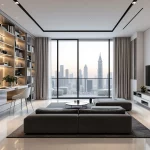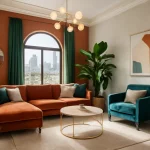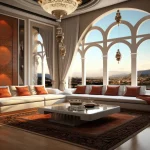
A smart color choice can make your Dubai homes look bigger, brighter, and more inviting.
When a person enters your house, it is the importance of color psychology in interior design that helps them comment if they think your space is airy or darker. Even Colorcom states that people form a subconscious judgment about a space within 90 seconds, and 62% to 90% of the judgments are based on color alone.
Using warm colors like red and orange brings energy, while cooler ones like blue and green brings calmness. When designing your Dubai homes and offices, you have to understand the psychological effects of colors to create a place that is welcoming and supports Dubai’s environment.
What is Color Psychology in Interior Design?
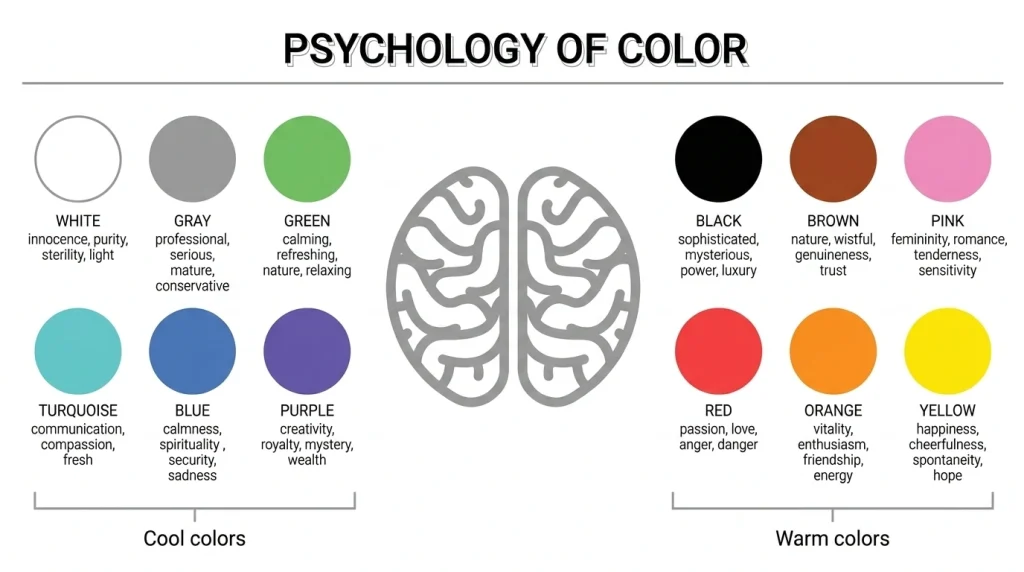
Color psychology interior design is the study of how different colors affect the emotions and behavior of people. It influences well-being, working capacity, mood, and other variables. Understanding the psychological effects of colors is essential when designing your home or other living space.
Warm tones: Colors like red, orange, and gold are often associated with celebration, hospitality, and life. You will find them in living rooms or dining rooms.
Cool tones: When it comes to blues and greens, you will find these often used in Dubai’s bedrooms, bathrooms, or study rooms. This is due to their soothing and healing properties.
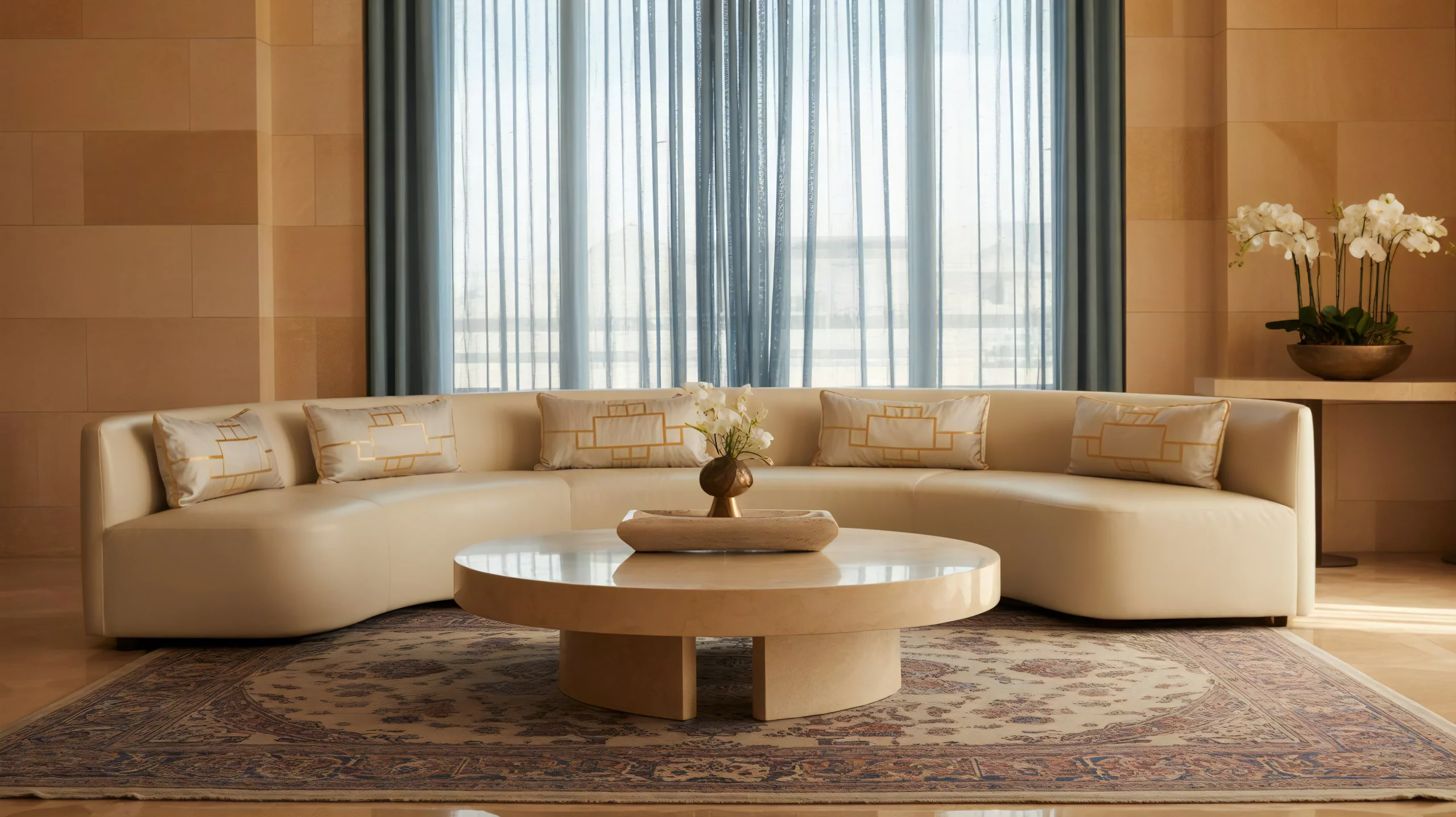
Neutrals: Nude colors like beige, white, and cream bring a balanced, restrained, luxurious feel to the space. They are often used in most modern Dubai interiors.
Your interior designer understands these color psychology basics and use their knowledge to merge it with Dubai’s environment.
How Does Color Psychology Affect Interior Design?
Color psychology has a significant role in interior design. It shapes the way a space feels and how people interact with it. Designers must understand the behavioral effects of colors. For instance,
- Blue brings a fresh and peaceful effect to the space.
- Greens often make the space feel fresh and balanced.
- Red and oranges bring in energy and a warm feel.
- Yellow makes the space feel cozy and close.
Additionally, we must understand the emotional impact of colors. They change the look of your rooms. If your room is small, you can make it look bigger and more open by using lighter colors. Whereas darker shades will bring a cozy feel to your space. Warm tones make your space feel special and welcoming. Cooler ones feel calmer and more professional. This color wheel is important for interior designers to create the right atmosphere for each room.
Warm vs Cool Colors in Interior Design: Choosing Based on Mood and Function
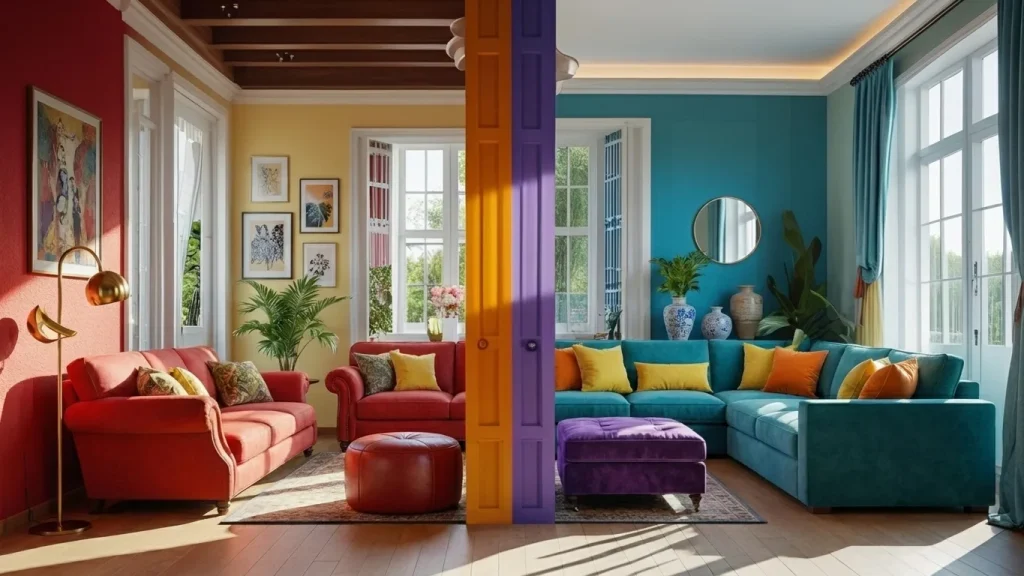
One significant element of color psychology in interior design is understanding the impact of warm and cool colors in interior design. This will help you design interior spaces that align with your desired ambiance. Warm ones bring energy and coziness. Cool colors promote relaxation and tranquility.
Warm color palette: Inviting and energetic
Choosing the right warm tones in home decor transforms its ambiance and functionality. They are used in social areas.
Orange: Cheerful, energetic, and playful
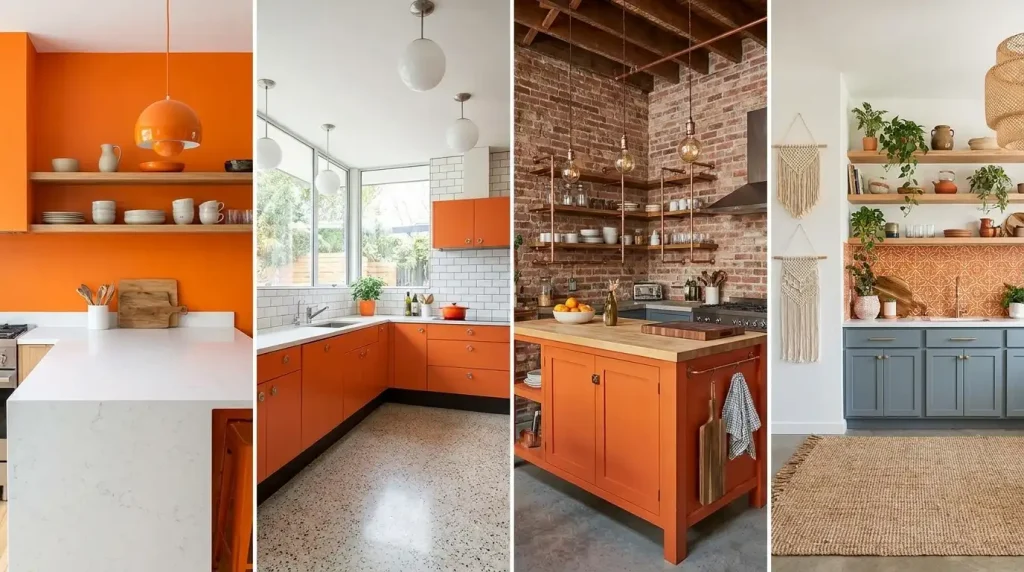
Orange tone adds warmth and excitement, creating a vibrant and welcoming feel. It is great for spaces where people gather and interact.
Best for: Entryways, kitchens, playrooms.
Yellow: Bright, uplifting, and warm
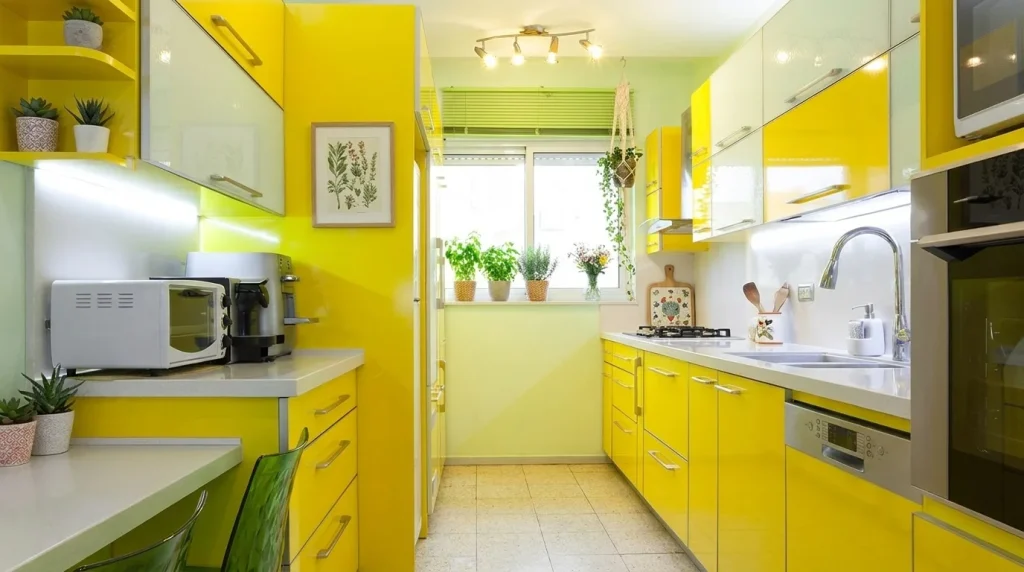
Yellow enhances mood, boosts creativity, and creates a sunny atmosphere. Lighter color palettes are best for kitchens, while softer works well in workspaces.
Best for: Kitchens, breakfast nooks, home offices.
Red: Bold, passionate, and stimulating
Red ones add drama and intense warmth, creating a high-energy and captivating feel. It is great for spaces meant for lively entertaining, dining, and social connections.
Best for: Dining rooms, entryways, accent walls.
Cool color palette: Calming and refreshing
Designers use cool colors for calming interiors in Dubai heat. They promote relaxation and serenity. This makes it perfect for spaces where calmness is desired.
Blue: Tranquil, refreshing, and peaceful
Blue helps reduce stress and promotes relaxation. This makes it perfect for spaces that are meant for rest and focus.
Best for: Bedrooms, bathrooms, home offices.
Green: Natural, refreshing, and balanced
Green palette symbolizes nature and renewal, making it an excellent choice for creating a peaceful environment. Softer ones bring a smoothing touch, while darker ones add elegance.
Best for: Bedrooms, living rooms, bathrooms.
Purple: Soft, dreamy, and elegant
Be it purple or lavender, they provide a calming effect while adding a sense of luxury and sophistication.
Best for: Bedrooms, bathrooms, meditation spaces.
How Warm and Cool Colors in Interior Design Impact Dubai’s Intense Environment
In Dubai’s intense sun, colors act differently than they do in temperate climates. The warm spectrum, like orange, yellow, and red, adds heat. Cool colors like blue, green, and purple help beat the heat. If you are using yellow, you can swap it with lemon yellow to avoid eye strain.
Color Psychology and Cultural Influences in Interior Design
Even with such intense weather in Dubai, when we walk into a home, it feels both luxurious and calm. That is the understanding of Dubai color psychology. As Emirates is known for its hospitality, tradition, and beauty, designers need to keep the culture alive by understanding cultural influences on color psychology in Dubai homes.
The cultural significance of colors in Dubai homes is strongly reflected in the use of colors.
- Gold in interiors conveys luxury, heritage, and a royal Arabic identity.
- Blue is an even more popular color palette, bringing a sense of calmness and peace, a symbol of the sea and sky around the region.
- Green in their homes carries a deep meaning of symbolizing growth, nature, and spiritual connection.
The beauty of these shades enhances the way Arabic designs are blended with modern styles. Classic patterns and rich colors pair well with furniture and layouts.
Practical Tips for Using Color Psychology in Your Dubai Home
Selecting a color is no doubt a difficult task. But understanding some practical color psychology tips in interior design helps create spaces that are visually balanced and emotionally attuned.
Test Colors in Different Lighting
Each part of the day in Dubai brings a different look to your room as the sun rays enter and exit throughout the day. For instance, a color that looks soft in the morning will feel brighter by afternoon.
Tip: Check your swatches at different times of the day. Evaluate how it looks in natural light during the day and in artificial light when it gets darker outside. Choose one that looks perfect from all angles.
The 60-30 Rule for Color Balance
Another type of interior design color strategies is selecting the right shade by following the 60-30-10 rule. Instead of covering your space with one single tone, show your creative skills by playing with colors and their combos.
Tip: You can use one main color to cover 60% of the space, usually the wall. Then add another shade in 30% through furniture. And finally, the remaining 10% must be covered through adding decorations. This makes the room look complete.
Match Color to Room Function
Lastly, you should not ignore the importance of color psychology for Dubai home design. Warm shades bring in energetic energy with a welcoming feel. Cool shades bring in a fresh look, while maintaining the temperature.
Tip: It is always advisable to choose a warmer shade palette for social spaces, as it feels lively and welcoming. Cool tones are better for bedrooms or quiet areas, bringing in a calm and restful atmosphere.
The Benefits of Using Color Psychology in Interior Design
We cannot neglect the advantages of color psychology in design when decorating a room. It changes the way people feel and use their space.
- Improves mood and productivity: One of the benefits of color psychology in interior design is choosing colors that match the vibe. Soft and fresh colors lift the mood. In the same way, clear and balanced shades will help people stay focused.
- Creates comfort and balance: The right mix of colors makes the room feel calm, neat, and easy to live in.
- Supports the room’s purpose: Warm colors help in adding energy to living areas. Cool tones can help bedrooms and quiet spaces feel comfortable and restful.
- Makes Dubai homes more welcoming: With such intense heat, the right colors make the space feel not just beautiful, but inviting and stylish.
Common Mistakes to Avoid in Color Psychology for Interior Design
With so many benefits, it is noticed that people design their spaces without neglecting common color selection errors Dubai interiors.
Overusing bold, contrasting colors:
Out of many, one of the common color mistakes in interior design is making the space look harsh instead of stylish.
How to avoid this mistake
Brainstorm and think about how you want your space to look before you choose a palette.
Not considering the psychological effect of color on individuals
Another mistake is ignoring the way colors affect people emotionally. It is common that a color that feels exciting to one person may feel stressful to another.
How to avoid this mistake
Collaborate with all those who will be sharing the space and ask them to help you with selection. Gathering comments will help you choose matches that work.
Ignoring how light conditions affect color perception
Even people make mistakes in color psychology interior design. They do not understand that lighting is important in color selection. A color might look soft in daylight but very different under warm indoor lights.
How to avoid this mistake
Make sure that you test some paint samples in natural and artificial light before making a final choice. This helps create a space that feels calm, balanced, and easy to live in.
Conclusion
Color psychology in interior design transforms Dubai homes by shaping mood, comfort, and style. The right colors make the space feel balanced, welcoming, and functional. When you choose a palette, always consider colors that affect emotions and lighting. To enhance your space with color psychology, plan thoughtfully and consult professional designers to create personalized and well-designed interiors.
FAQs
What is color psychology in interior design?
It is the study of how colors affect mood, feelings, and behavior in a space.
How to use color psychology in interior design?
Choose colors based on the room’s purpose. Use calm shades for rest, warm shades for energy, and balanced tones for comfort.
What are the most popular color schemes used in interior design?
Neutral, monochromatic, complementary, and analogous color schemes are the most common.
How do cultural influences affect color psychology in interior design in Dubai?
Culture shapes what colors mean. In Dubai, gold, blue, and green often reflect luxury, peace, and tradition.
Why is color psychology important in interior design?
It helps make spaces feel right. The right colors can improve comfort, mood, and use of the room.
What are the basic principles of color psychology in interior design?
Warm colors feel active. Cool colors feel calm. Neutrals feel balanced. Light colors open up a room.
How do different colors affect mood and emotions in a living space?
Red feels bold. Yellow feels cheerful. Blue feels peaceful. Green feels fresh. Beige feels calm and safe.
How can I choose a color palette that promotes a sense of calm and relaxation using color psychology?
Use soft blues, greens, creams, and light neutrals. Keep the palette simple and avoid too many strong colors.
Why should designers use color psychology in their projects?
It helps them design spaces that look good and also support how people want to feel and live.
What are some common mistakes to avoid when applying color psychology in interior design?
Do not use too many bold colors. Do not ignore lighting. Do not forget how people may feel in the space.
How to use color psychology to make a small room feel larger?
Use light colors, soft shades, and simple contrast. Mirrors and good lighting also help the room feel bigger.